
The notion of a “manual to manhood” arises from a perceived need for guidance, mirroring historical guides and prompting searches for practical advice.
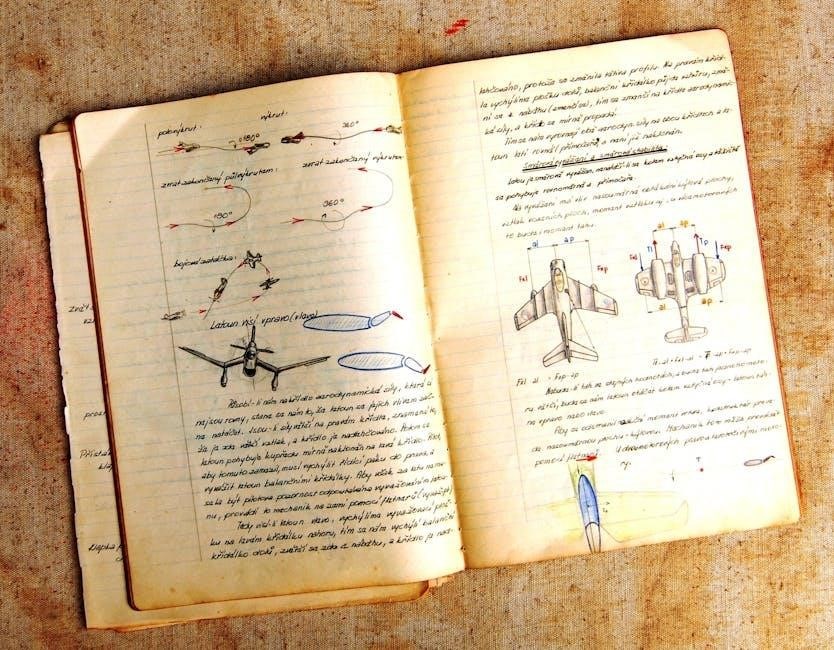
High school experiences with manuals of arms suggest a desire for structured learning, while online databases offer diverse user guides and resources.
Literature, like novels, explores societal impacts on masculinity, revealing attempts to conform and challenging traditional stereotypes, fueling the manual’s appeal.
Historical Context of Manhood Guides
Throughout history, formalized instruction on becoming a “man” has existed, though not always explicitly labeled as such. The reference to high school students learning the “manual of arms” from a physics teacher hints at a tradition of imparting practical skills deemed essential for masculine roles – discipline, precision, and preparedness for defense.
However, the current framing as a “manual” is a more modern construct, reflecting a perceived crisis in masculine identity and a desire for clear, actionable steps. Earlier forms of guidance were often embedded within religious texts, philosophical treatises (like those exploring “God-Manhood”), or societal expectations communicated through apprenticeship and familial instruction.
The proliferation of online resources and searchable databases, like manualsdb.ru, demonstrates a contemporary need for readily accessible information, mirroring a desire for a modern equivalent of these historical guides, adapted for a rapidly changing world.
The Appeal of a “Manual” for Masculinity
The very term “manual” suggests a solution to a problem – a perceived lack of clear direction in navigating modern masculinity. This appeal stems from anxieties surrounding shifting societal expectations and the erosion of traditional masculine roles. The desire for a structured guide reflects a longing for certainty in a complex world.
Literature’s exploration of how society impacts views of masculinity, and the protagonists’ struggles to conform, highlights the pressure men face. A “manual” promises a roadmap, offering practical skills and ethical frameworks.
The search for such guides, evidenced by online databases, indicates a proactive attempt to define manhood rather than passively accepting societal norms, seeking empowerment through knowledge and self-improvement.
Core Principles Explored in Manhood Literature
Manhood literature dissects societal expectations, masculine stereotypes, and the ethical considerations central to defining a man’s role and moral compass.
Societal Expectations and Masculine Stereotypes
The quest for a “manual to manhood” often stems from navigating rigid societal expectations and deeply ingrained masculine stereotypes. Literature examining this concept, as noted in book reviews, frequently portrays protagonists grappling with conforming to these pre-defined roles.
These expectations can be limiting and contradictory, creating internal conflict as individuals attempt to reconcile personal identity with external pressures. The historical context reveals how these ideals have shifted, yet persist in influencing self-perception.
The very existence of a “manual” implies a desire to decode and potentially challenge these norms, seeking a framework for authentic self-expression beyond prescribed behaviors. This exploration is crucial for understanding the complexities of modern masculinity.
Conforming vs. Defining Manhood
The tension between conforming to societal expectations and defining manhood on one’s own terms is central to the “manual to manhood” discourse. Literary analysis reveals characters struggling with this dichotomy, attempting to navigate prescribed roles versus authentic self-expression.
A “manual” suggests a desire for a roadmap, but the question arises: whose map? Should it dictate conformity, or empower individuals to forge their own path? This reflects a broader philosophical debate about agency and societal influence.
Ultimately, the value of such a guide lies not in prescribing a singular definition, but in providing tools for self-reflection and critical engagement with prevailing masculine ideals, fostering genuine self-discovery.
The Role of Ethics and Morality
The exploration of ethics and morality is crucial within the “manual to manhood” concept, extending beyond practical skills to encompass character development. Philosophical texts, like those by Solovyov and Dante, grapple with the concept of “God-Manhood,” suggesting an inherent moral dimension to masculine identity.
A true “manual” shouldn’t merely focus on outward behaviors, but also on cultivating inner virtues – respect, integrity, and responsibility. This aligns with historical etiquette guides emphasizing cheerful demeanor and considerate interaction.
Ethical considerations also arise when examining societal abstractions from nature, prompting reflection on the responsible exercise of power and the avoidance of harmful stereotypes.

Practical Skills and Development Areas
A comprehensive “manual” encompasses manual skills for workplace application, alongside personality development, communication, and potentially, language learning for broader self-improvement.
Developing Manual Skills & Workplace Application
The concept of a “manual to manhood” extends beyond theoretical ideals to encompass tangible, practical skills crucial for navigating the modern workplace. This includes proficiency in tasks traditionally associated with manual labor, but also adapting to technological advancements that lighten the burden of such work.
Effectively utilizing technology becomes a key “manual skill” in itself, allowing for increased efficiency and productivity. Furthermore, the development of these skills isn’t merely about task completion; it’s about fostering a work ethic, problem-solving abilities, and a sense of competence – all cornerstones of traditional masculine ideals, now redefined for a contemporary context.
The application of these skills translates directly into professional success, demonstrating reliability, adaptability, and a willingness to contribute meaningfully to any team or organization.
Personality Development and Psychopathology
A comprehensive “manual to manhood” necessitates exploring the complexities of personality development and acknowledging the potential for psychopathology. Norman Cameron’s work highlights this, specifically noting the prevalence of fetishism among men, often centering around seemingly innocuous objects like women’s shoes.
This isn’t about pathologizing masculinity, but rather recognizing the diverse range of human experiences and the potential for atypical fixations. Understanding these tendencies requires a nuanced approach, avoiding judgment and fostering self-awareness.
The manual should address healthy emotional regulation, self-esteem, and the ability to form fulfilling relationships, while also acknowledging the potential for psychological vulnerabilities and encouraging seeking help when needed.
Language Learning & Communication Skills
Effective communication is paramount to embodying a well-rounded manhood, and a “manual” should prioritize language learning and skillful expression. The referenced learning materials – dictionaries, grammar guides, dialogues, and fables – demonstrate a holistic approach to linguistic development.
Beyond mere vocabulary and syntax, the manual must emphasize active listening, empathy, and the ability to articulate thoughts and feelings with clarity and respect. Mastering non-verbal cues and adapting communication styles to diverse audiences are also crucial.
Furthermore, it should discourage interrupting others and promote mindful engagement in conversations, fostering genuine connection and mutual understanding – essential components of mature masculinity.
Psychological Aspects of Masculinity
A manhood manual must address psychopathology and understand fetishism, predominantly observed in men, like shoe fetishes, exploring their connection to masculine identity.
Understanding Fetishism and its Connection to Masculinity
Exploring fetishism within a “manual to manhood” requires a nuanced approach, acknowledging its predominantly male prevalence, as highlighted by personality development studies.
The commonality of female shoe fetishes, specifically, prompts investigation into its psychological roots and potential links to broader masculine anxieties or expressions of power dynamics.
A comprehensive manual shouldn’t pathologize fetishism outright, but rather contextualize it within the spectrum of human sexuality and explore its potential origins in early development or societal conditioning.
Understanding how these fixations manifest and impact an individual’s self-perception and relationships is crucial, offering insights into the complexities of masculine identity formation and expression.
Ultimately, the goal is to foster self-awareness and healthy coping mechanisms, rather than imposing rigid definitions of “normal” masculinity.
The Impact of Societal Views on Self-Perception
A “manual to manhood” must address the profound influence of societal expectations on a man’s self-image, recognizing how external pressures shape internal beliefs about masculinity.
Literature, as demonstrated by novel analyses, reveals the struggle to conform to often-contradictory stereotypes, leading to internal conflict and a distorted sense of self.
The manual should encourage critical examination of these societal norms, prompting individuals to question their origins and assess their personal relevance.
It’s vital to deconstruct harmful stereotypes and promote a more inclusive understanding of masculinity, acknowledging the diversity of male experiences.
Cultivating self-acceptance and authenticity, independent of external validation, is paramount for fostering a healthy self-perception.

Philosophical and Religious Perspectives
Exploring concepts like “God-Manhood” in texts by Solovyov and Dante, the manual delves into the ethical implications of humanity’s separation from nature.
The Concept of God-Manhood in Philosophical Texts
The exploration of “God-Manhood” within philosophical discourse, particularly through the works of Vladimir Solovyov and Dante Alighieri’s The Divine Comedy, presents a fascinating lens through which to examine the “manual to manhood” concept.
These texts grapple with the inherent tension and potential synthesis between the divine and the human realms, questioning the very nature of existence and purpose.
This philosophical inquiry directly relates to the manual’s aim of defining ideal masculine qualities, as it suggests a striving towards a higher, more complete form of being.
The manual, therefore, can be viewed as a practical guide to embodying divine attributes within a human framework, seeking to bridge the gap between earthly limitations and spiritual aspirations.
Ultimately, understanding these philosophical underpinnings enriches the manual’s exploration of manhood’s potential.
Abstraction from Nature and its Ethical Implications
The ethical considerations surrounding humanity’s increasing abstraction from the natural world are profoundly relevant to the “manual to manhood” concept. This detachment, explored in philosophical texts, raises questions about the very foundation of masculine identity.

Traditionally, manhood was often linked to physical prowess, survival skills, and a direct connection to the land. However, modern life increasingly distances men from these primal experiences.
The manual must address the ethical implications of this separation, exploring how to cultivate virtues like responsibility and stewardship in a technologically advanced society.
It necessitates a re-evaluation of what it means to be a “natural” man, focusing on inner strength, moral character, and a conscious effort to reconnect with the environment.
Ultimately, ethical manhood demands a mindful navigation of this abstraction.

Analyzing Key Texts & Reviews
Book reviews and comparative analyses, like those of Solovyov and Dante, reveal diverse perspectives on manhood and its societal influences.
Examining these works provides critical insights into evolving masculine ideals and the challenges of defining authentic selfhood.
Book Reviews: Examining Perspectives on Manhood
Critical analysis of texts concerning “manhood” reveals a complex interplay between societal expectations and individual identity. Reviews often highlight how narratives explore protagonists grappling with conforming to, or rejecting, established masculine stereotypes.
The “Lost Tribe of Ethnomethodology” and works like Norman Cameron’s “Personality Development and Psychopathology” offer unique lenses through which to view these struggles, examining the psychological underpinnings of masculine performance.
Furthermore, reviews demonstrate a recurring theme: the impact of societal views on self-perception. These analyses often dissect how literature portrays the internal conflicts arising from external pressures, ultimately questioning the very definition of manhood itself.
Such reviews are invaluable for understanding the historical and contemporary discourse surrounding masculinity.
Comparative Analysis of Philosophical Works
Examining philosophical texts alongside the “manual to manhood” concept reveals contrasting approaches to defining human existence. Comparing V.S. Solovyov’s “Readings on God-Manhood” with Dante’s “The Divine Comedy” illuminates differing perspectives on the ethical implications of humanity’s relationship with the divine and nature.
Solovyov’s work explores the ideal of a unified being, while Dante’s journey through the afterlife presents a more nuanced view of moral responsibility and spiritual growth.
The ethical considerations of “man’s abstraction from nature”, a central theme in these works, directly challenge simplistic notions of masculinity presented in practical guides.
This comparative analysis highlights the depth and complexity absent from purely prescriptive manuals.

Resources and Further Exploration
Online databases like manualsdb.ru offer user guides, while scientific papers delve into philology, axiology, and linguistic worldview for deeper understanding.
Online Manual Databases and User Guides
The digital age provides access to a wealth of resources, including online manual databases like manualsdb.ru, offering user guides for various devices and techniques. These platforms function as centralized repositories, allowing users to search for specific manuals by keyword, description, size, and page count.
This accessibility mirrors the initial concept of a “manual to manhood,” providing readily available information for self-improvement and skill development. While not specifically focused on masculinity, these databases embody the spirit of seeking practical guidance. Further exploration involves accessing scientific papers and reviews, broadening perspectives on related fields.
Scientific Papers on Philology and Axiology
Examining scholarly work in philology and axiology offers crucial context for understanding the “manual to manhood” concept. Research delves into linguistic worldviews and text poetics, revealing how language shapes perceptions of masculinity and ethical frameworks.
Papers analyze the ethics of human abstraction from nature, a theme relevant to defining manhood beyond primal instincts. Comparative studies, like those of Solovyov and Dante, explore philosophical perspectives on the “God-Manhood” concept, influencing moral codes. Reviewing these scientific papers provides a nuanced understanding of the underlying values informing discussions about masculinity.

Social Etiquette and Conduct
A “manual” emphasizes respectful interaction, cheerful demeanor, and avoiding intrusion on others’ work – principles for navigating social spaces with grace and consideration.
Rules of Social Interaction and Respect
The concept of a “manual to manhood” inherently suggests a code of conduct, outlining expected behaviors in social settings. Historical references imply a structured approach to etiquette, emphasizing consideration for others.
Specifically, avoiding intrusion – “Read no paper or book in company…Come not near the papers or books of another” – highlights respect for personal space and work. Maintaining a “cheerful countenance” suggests presenting a positive and approachable demeanor.
These rules aren’t merely about politeness; they reflect a broader understanding of social harmony and the importance of respecting boundaries. A true “manual” would likely detail nuanced interactions, fostering a sense of community and mutual regard.
Maintaining a Positive Demeanor
A “manual to manhood” would likely address the importance of emotional regulation and outward presentation. The directive to “Let your countenance be cheerful” underscores the value of projecting positivity, even amidst serious matters.
This isn’t about suppressing genuine feelings, but rather about cultivating resilience and avoiding negativity that might impact others. A composed and optimistic attitude fosters trust and encourages constructive interactions.
Furthermore, a positive demeanor reflects self-respect and inner strength. It suggests a man who is confident, capable, and able to navigate challenges with grace. This aspect aligns with the broader goal of self-improvement inherent in the “manual” concept.
The Evolution of Manhood
Historical shifts continually redefine masculine ideals, presenting modern challenges to traditional notions explored within a “manual to manhood” framework, demanding adaptation.
Historical Shifts in Masculine Ideals
Throughout history, the definition of manhood has undergone significant transformations, influencing the very need for a “manual to manhood.” Early concepts often centered on physical prowess, military service – reflected in the high school use of manuals of arms – and providing for families.
However, societal changes gradually broadened expectations, incorporating emotional intelligence, intellectual pursuits, and ethical conduct. The emergence of literature exploring masculinity, as seen in comparative analyses of philosophical works, demonstrates a growing awareness of these shifts.
Modern challenges further complicate the picture, questioning traditional norms and prompting individuals to actively define their own masculinity, rather than passively conforming to pre-defined roles. This evolution underscores the ongoing relevance of examining these ideals.
Modern Challenges to Traditional Manhood
Contemporary society presents numerous challenges to traditional notions of manhood, prompting a re-evaluation of established norms. The exploration of masculinity in literature highlights the pressures to conform while simultaneously questioning those very stereotypes.
Increased awareness of ethical considerations and societal expectations demands a more nuanced understanding of responsible conduct, moving beyond solely physical or provider roles. The need for practical skills, like those detailed in user guides, is evolving alongside technological advancements.
Furthermore, discussions surrounding personality development and psychopathology contribute to a more holistic view of male identity, acknowledging the importance of emotional well-being and mental health, thus complicating the “manual’s” task.