Discover the charm of Bunny PDFs—digital files featuring printable rabbit designs for crafts, education, and fun. These PDFs offer free outlines, Easter templates, and creative projects, making them popular among hobbyists and teachers alike.
Ideal for DIY, classroom, and seasonal and crafts projects now!
What is a Bunny PDF?
A Bunny PDF is a digital document that contains one or more printable rabbit illustrations, often used for crafts, educational activities, or seasonal decorations. These files are typically in PDF format, ensuring that the artwork retains its resolution and layout across different devices and printers. The designs may range from simple line drawings suitable for coloring to more detailed stencils that can be traced or cut out with scissors or a craft cutter. Many creators offer free versions online, while others provide premium collections that include themed sets—such as Easter bunnies, cartoon characters, or wildlife‑inspired rabbits—often bundled with supplementary materials like activity sheets or printable stickers.
Users can download a Bunny PDF, open it with any PDF viewer, and print it at home or in a classroom setting. Because the file is vector‑based, the images can be scaled without losing quality, making them versatile for projects that require different sizes—from small bookmarks to large wall posters. Some Bunny PDFs also include interactive elements, such as fillable fields for names or colors, which can be useful for personalized gifts or classroom assignments.
In addition to their practical uses, Bunny PDFs have become a popular resource for hobbyists who enjoy customizing and repurposing the designs. By layering multiple templates, adding text, or combining them with other printable elements, creators can produce unique craft projects, greeting cards, or educational worksheets. The accessibility of PDF technology also means that these resources can be shared easily via email, cloud storage, or social media, fostering a community of makers who exchange ideas and variations on the original bunny themes. All are free, enjoy
Bunny PDFs trace their origins to the early days of digital publishing, when educators and hobbyists began sharing simple vector illustrations of rabbits for classroom activities and seasonal celebrations. The first wave of free printable bunny templates appeared on community forums and art‑sharing sites in the early 2000s, offering 32 original rabbit coloring pages that could be downloaded and printed at home. These designs ranged from cute baby bunnies to detailed wild rabbits, and even included iconic characters such as Thumper from Bambi and Hopps from Zootopia. As the internet expanded, so did the demand for high‑quality, ready‑to‑print templates, leading to the creation of commercial collections that bundled themed sets—Easter bunnies, spring motifs, and educational worksheets—into single PDF files. Today, Bunny PDFs enjoy widespread popularity among teachers who incorporate them into lesson plans, parents who craft personalized Easter cards, and DIY enthusiasts who repurpose the outlines for stencils, bookmarks, or wall art. The format’s versatility, combined with ease of distribution via email, cloud storage, social media, has cemented Bunny PDFs as a staple resource in educational and craft communities.
The widespread adoption of PDF readers on smartphones and tablets has further accelerated the use of Bunny PDFs, allowing users to view and print from their mobile devices. Additionally, many online generators now offer customization options, letting users change colors, add text, or merge bunny images into a single collage. This flexibility has made Bunny PDFs a favorite tool for event planners, who create themed invitations and signage.
Educationally, teachers leverage simplicity bunny shapes :)??
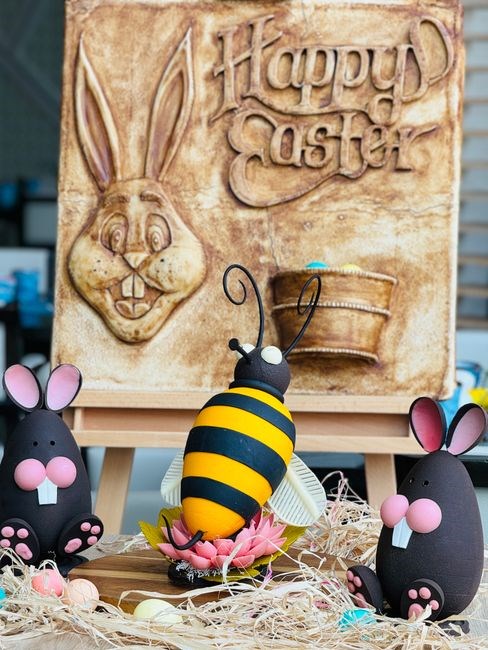
Popular Bunny PDF Templates
Free printable bunny outlines, Easter kits, and themed collections are widely shared online. Many sites offer 32 rabbit designs, from cute babies to very fun characters, ready for crafts, classroom use, or personal projects. These PDFs remain a favorite for seasonal creativity.
Free Printable Bunny Templates on the Web
Across the internet, several websites offer extensive libraries of free printable bunny templates. Users can download high‑resolution PDF files that feature a wide range of rabbit designs—from simple outlines suitable for coloring to intricate stencils perfect for cutting. Popular sources include dedicated craft portals, educational resource hubs, and community‑driven platforms where artists share their own hand‑drawn rabbit silhouettes. Many of these templates come bundled with seasonal themes, such as Easter eggs, spring flowers, and holiday greetings, allowing creators to assemble themed craft kits without additional design work. The PDFs are typically available in standard page sizes (e.g., A4 or letter) and are optimized for both home printers and office equipment. Because the files are vector‑based or contain clean line art, they can be scaled to any size without loss of quality, making them versatile and the large decorative banners. Additionally, several sites provide step‑by‑step instructions on how to transform the basic outlines into finished crafts, such as paper bunnies, felt cutouts or even 3‑D paper models. Users often appreciate the ease of customization: colors can be added digitally before printing, or the templates can be printed in black and white for traditional coloring. Some platforms also offer downloadable color palettes or printable stickers that complement the bunny designs. For educators, the free templates serve as engaging visual aids for lessons on animals, biology, or seasonal celebrations. Enjoy exploring these designs for projects today!

Commercial Bunny PDF Collections

Professional designers and publishing houses now offer curated bundles of bunny‑themed PDFs that cater to businesses, educators, and hobbyists seeking premium quality and ready‑to‑use assets. These collections typically include dozens of high‑resolution illustrations, each rendered in vector or clean raster format, and are packaged with flexible licensing options that allow for commercial resale, classroom use, or personal projects. Prices vary from a modest $19.99 for a starter pack of 20 templates to $99.99 for an extensive library of 200+ designs, often featuring seasonal variations, themed sets (Easter, spring, holiday), and special character mash‑ups. Many vendors provide a preview gallery so buyers can assess line quality, color palettes, and overall style before purchase. The PDFs are usually delivered via a secure download link or a cloud‑based asset manager, ensuring that users can quickly integrate the files into Adobe Illustrator, InDesign, or other design workflows. Some collections also bundle edit. Licensing agreements are clearly outlined, with options for perpetual use, multi‑device access, and even bulk licensing for schools or corporate clients. Because the assets are professionally vetted, users can rely on consistent file naming conventions, metadata, and compliance with copyright law, reducing the risk of infringement. Whether you’re a craft store owner looking to sell printable kits or an educator wanting to enrich lesson plans, commercial bunny PDF collections provide a convenient, cost‑effective solution that delivers both creativity and legal peace of mind.
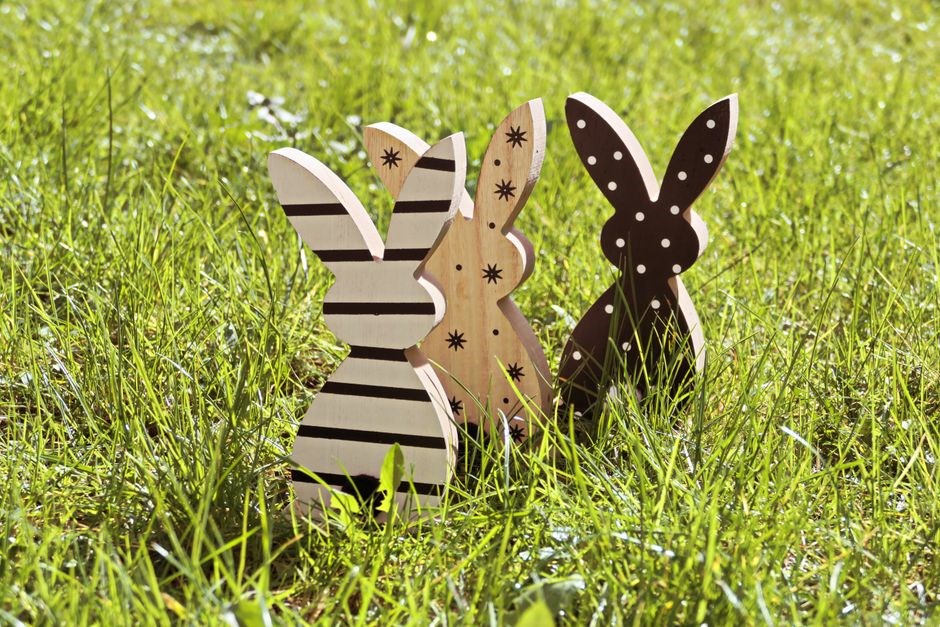
Tools for Creating Bunny PDFs
Create bunny PDFs using Adobe Acrobat for editing, Scribus for layout, or Inkscape for vector design. Online generators convert images to PDF, while conversion tools like Smallpdf or Zamzar streamline the process. These tools enable quick, high‑quality bunny PDF production. Ideal for teachers, enabling projectsdaily.
Software Options (Adobe Acrobat, Scribus, Inkscape)
Adobe Acrobat provides a robust platform for editing PDF content, allowing users to insert, delete, and rearrange pages, add annotations, and embed vector graphics. Its “Edit PDF” tool supports manipulation of text, making it ideal for refining bunny outlines before export. Acrobat’s “Preflight” feature can optimize file size and ensure print‑ready quality.
Scribus, an open‑source desktop publishing app, excels at multi‑column layouts and precise placement of objects. Users can import SVG or PNG bunny sketches, then apply text frames, color swatches, and page numbering. Scribus’ “Export to PDF” dialog offers control over compression, security, and compatibility, ensuring the final bunny PDF meets web and print standards.
Inkscape, a vector graphics editor, is perfect for creating clean bunny outlines from scratch. With powerful path tools, users can draw ears, noses, and whiskers, then group elements for easy duplication. Inkscape’s “Export as PDF” feature preserves vector data, allowing the file to scale without loss of detail. Export settings let you choose PDF/X compliance, embed fonts, or flatten layers.
For beginners, Adobe Acrobat’s user‑friendly interface and tutorials make it a quick start. Scribus offers flexibility and free cost, while Inkscape gives most control over vector creation. Combining these tools—drawing in Inkscape, refining in Scribus, finalizing in Acrobat—yields professional‑grade bunny PDFs for classroom use, craft kits, or commercial distribution. for all skill levels.!
Online Generators and Conversion Tools
Online generators simplify the creation of bunny PDFs by offering drag‑and‑drop interfaces, pre‑loaded templates, and instant download options. Services such as Canva, Crello, and Adobe Express provide ready‑made bunny illustrations that can be customized with text, colors, and background elements. Users can adjust dimensions, add stickers, and export the final design as a high‑resolution PDF suitable for printing or digital sharing.
Conversion tools are essential when transforming existing image formats into printable PDFs. Free web converters like Zamzar and Online‑Convert.com support JPG, PNG, SVG, and GIF inputs, producing PDFs that retain vector quality when possible. For batch processing, PDF24 Tools offers a “Merge PDF” feature that allows users to combine multiple bunny sketches into a single document, while the “Compress PDF” option reduces file size without compromising visual fidelity.
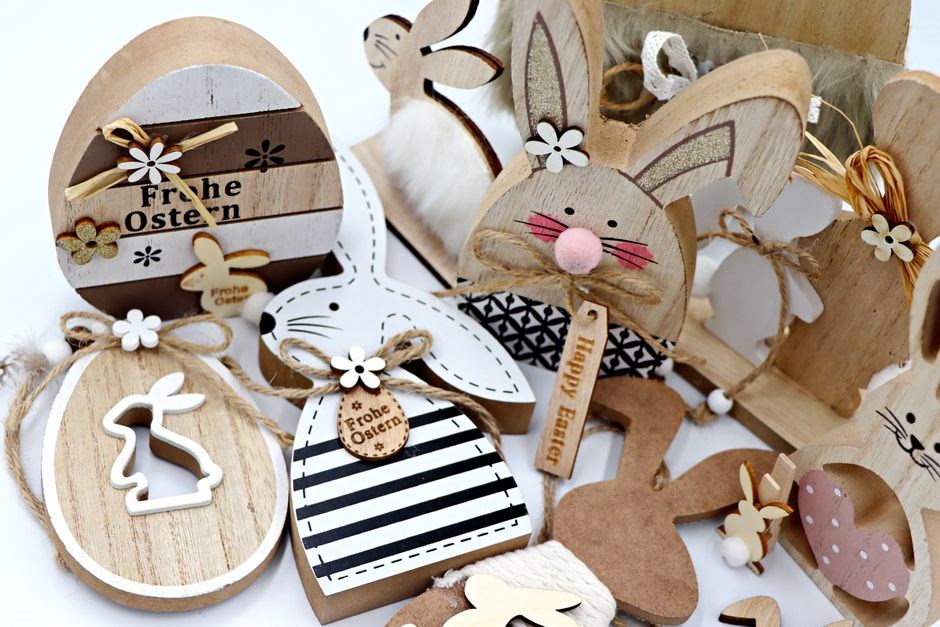
When working with vector graphics, SVG2PDF provides a straightforward conversion from SVG files to PDF, preserving scalability. For more advanced editing, PDFescape and Sejda allow in‑browser annotation, page reordering, and form field insertion, enabling educators to create interactive bunny worksheets. These online tools collectively cover the entire workflow from design to distribution, making bunny PDF creation accessible to hobbyists, teachers, and small businesses alike. These tools let artists share remix bunny designs worldwide !
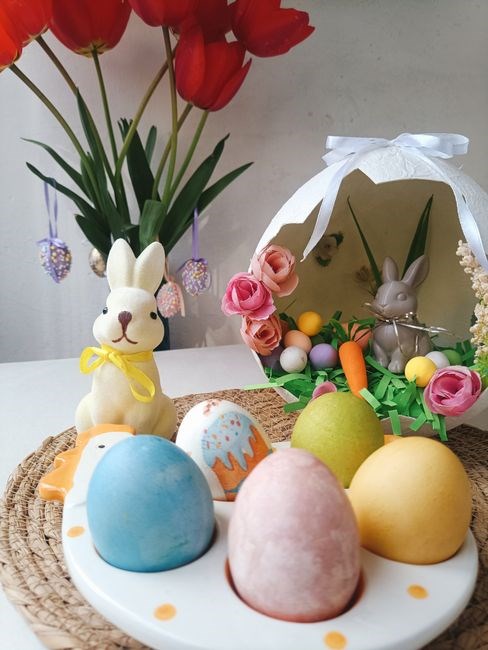
Legal Considerations for Bunny PDF Distribution
Before distributing bunny PDFs, check copyright. Use public‑domain or Creative Commons‑licensed images, or get permission. Respect license terms—some CC licenses forbid commercial use or require attribution. Cite sources to avoid infringement. Share now!
Copyright and Licensing Issues
When creating or sharing bunny PDFs, the first step is to verify that the artwork is not protected by copyright. Many bunny illustrations are derived from classic literature or public‑domain sources, but modern cartoons, such as those featuring well‑known characters, remain under strict copyright.
Licensing agreements add another layer of protection. A Creative Commons license may allow free use, but terms differ. CC‑BY permits use with attribution; CC‑BY‑SA requires sharing alike; CC‑BY‑NC forbids commercial use; CC‑BY‑ND prohibits derivatives. A distributor must honor the license for any derivative works, or face infringement claims.
Commercial use is a common pitfall. Even if a bunny PDF is free to download, using it on a product for sale—such as a t‑shirt, calendar, or greeting card—constitutes a commercial license request. If the creator hasn’t granted commercial rights, you must obtain a separate license or use an image marked free for commercial use. Stock sites often offer “commercially free” licenses, but read the fine print.
Derivative works, like adding text or color, can trigger copyright concerns. The derivative must be substantially original; minimal changes may still infringe. Best practice: create your own illustration or use a template marked “no copyright” or “public domain.”
Keep a record of source, license, and correspondence. Documentation protects against disputes proves compliance
Creative Commons and Public Domain Resources
Creative Commons (CC) licenses provide a flexible framework for sharing bunny PDFs. The most common variants—CC‑BY, CC‑BY‑SA, CC‑BY‑NC, and CC‑BY‑ND—define whether attribution is required, whether derivative works must carry the same license, and whether commercial use is allowed. For educators and hobbyists, CC‑BY offers the broadest freedom, while CC‑BY‑SA encourages a community of sharing. CC‑BY‑NC and CC‑BY‑ND are useful when the creator wants to restrict commercial exploitation or modifications.
Public‑domain collections are another treasure trove. Sites such as the Library of Congress, Project Gutenberg, and the Digital Public Library of America host thousands of rabbit illustrations that have entered the public domain. These works can be downloaded, altered, and distributed without any licensing constraints. A popular source for printable bunny outlines is Public Domain Pictures, which offers a variety of rabbit silhouettes suitable for crafts and educational activities. EarlyPrintings.com hosts high‑resolution scans of 19th‑century animal illustrations that are now free to use.
When incorporating CC or public‑domain bunny PDFs into a project, best practices include documenting source URL and attribution. For CC‑BY‑SA works, ensure derivative materials carry the same license. Provide clear attribution in the final product, following license guidelines. By leveraging these resources, creators can produce high‑quality bunny PDFs for classroom activities, seasonal crafts, or commercial products intellectual‑property.
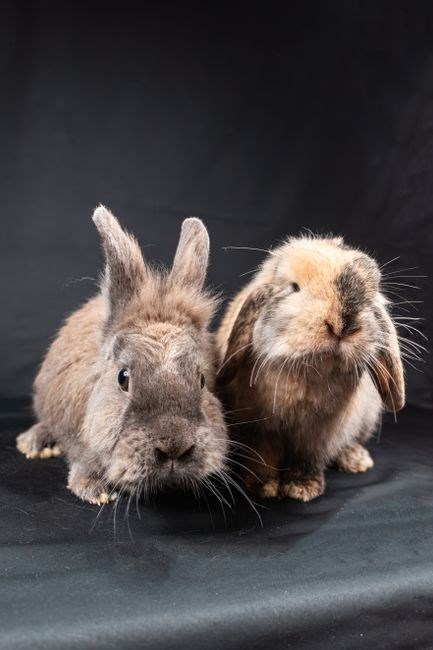
Creative Uses of Bunny PDFs for Crafts and Education

Use printable bunny outlines for Easter crafts, classroom activities, and DIY projects. Kids color, cut, and assemble rabbit shapes to learn shapes, counting. Teachers integrate them into lesson plans, encouraging creativity and fine‑motor skills. fun.
Easter and Spring Craft Ideas
With Bunny PDFs, Easter and spring crafts become a breeze. Print out dozens of bunny outlines—cute babies, detailed wild rabbits, and iconic characters like Thumper or Hopps—and let children cut, color, and assemble them into vibrant displays; Create paper bunny mobiles by attaching the printed shapes to strings, then hanging them from the ceiling for a whimsical centerpiece. Transform the outlines into stencils; place them over cardstock, trace, and cut to produce reusable templates for future projects. For a festive table setting, glue printed bunny shapes onto wooden spoons or small jars, then paint them in pastel hues for a charming Easter centerpiece. Combine the PDFs with simple glue‑and‑paper techniques to make 3‑D bunny sculptures: fold the outlines into paper dolls, add felt ears, and attach a small ribbon tail. Use the free printable templates to craft personalized Easter baskets: cut the bunny shapes, fold them into a base, then decorate with ribbons and stickers. For classroom activities, print the outlines on cardstock, have students color them, and then use the cut shapes to teach counting, matching, or simple addition problems. The versatility of Bunny PDFs means you can adapt each design to suit different skill levels, making them perfect for both young children and older students. Whether you’re preparing a holiday craft session or a classroom lesson, these printable bunny templates provide endless creative possibilities that celebrate the joy of spring and the spirit of Easter. Enjoy crafting with these delightful bunny designs.!!
Educational Activities and Classroom Integration
Incorporating Bunny PDFs into the curriculum offers a playful yet pedagogically sound approach to engage students across multiple subjects. Teachers can print a variety of bunny outlines—ranging from simple silhouettes to intricate wild rabbit designs—and use them as manipulatives for math lessons. For example, students can count the number of ears, feet, or noses on each bunny, then record the totals on a worksheet to practice addition or subtraction. In geometry, the shapes of the bunny’s body provide a natural introduction to circles, ellipses, and right angles; students can trace the outlines onto graph paper, identify the angles, and calculate perimeter or area. Language arts activities are equally rich: students can write descriptive paragraphs about each bunny, create short stories, or practice sentence structure by filling in blanks such as “The bunny hopped ___ feet.” Science teachers can use the printable templates to illustrate animal habitats, discuss the differences between domestic rabbits and wild hares, and conduct simple biology experiments on fur texture or diet. Art classes benefit from color theory lessons; students can color the bunnies with complementary or analogous palettes, then analyze the emotional impact of their color choices. Furthermore, the templates can serve as templates for creating personalized bookmarks or classroom posters, fostering a sense of ownership and collaboration. By integrating Bunny PDFs into lesson plans, educators provide a multisensory learning experience that blends creativity, critical thinking, and hands‑on practice, making abstract concepts tangible and memorable for students of all ages.