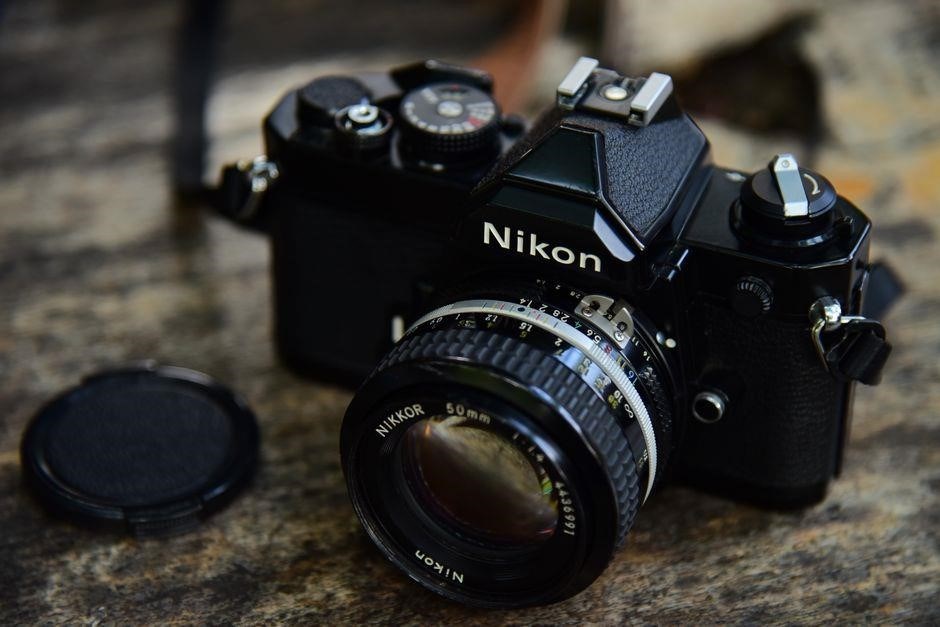
Welcome to the Nikon D7100 Manual‚ complete guide to mastering this DSLR․ This manualcovers the camera’s 24‑megapixel sensor‚ solidautofocus‚ and versatile shooting modes․ It also provides step‑by‑step instructions for setup‚ operation‚ and maintenance‚ ensuring you capturestunning images with confidence․
Purpose and Scope of the Manual
Designed for both novice and experienced photographers‚ this manual serves as a comprehensive reference for the Nikon D7100‚ a DSLR that blends high‑resolution imaging with robust performance․ It explains the camera’s core features—24‑megapixel DX‑format sensor‚ 5‑point autofocus‚ full‑bandwidth 1080p video‚ and a durable magnesium‑alloy body—while guiding users through the setup‚ operation‚ and maintenance processes․ The scope covers every aspect of the D7100‚ from initial power‑on and battery insertion to advanced settings such as exposure compensation‚ white‑balance presets‚ and custom button programming․ Detailed explanations of shooting modes (Auto‚ Aperture Priority‚ Shutter Priority‚ Manual‚ and Creative Zone) help readers understand how to adapt the camera to diverse lighting conditions and creative intentions․ The manual also addresses safety considerations‚ proper handling of lenses and accessories‚ and troubleshooting common issues․ Firmware update procedures are included to keep the camera’s software current‚ ensuring optimal performance and compatibility with new lenses․ By following this manual‚ users will gain confidence in maximizing the D7100’s capabilities‚ producing professional‑quality images and videos with ease․
The manual also covers low‑light and macro techniques‚ and explains how to use long‑exposure settings․ It details menu customization‚ remote control via Nikon Wireless Mobile Utility‚ and memory card management for reliable performance!! use․!
Quick Start Guide Overview
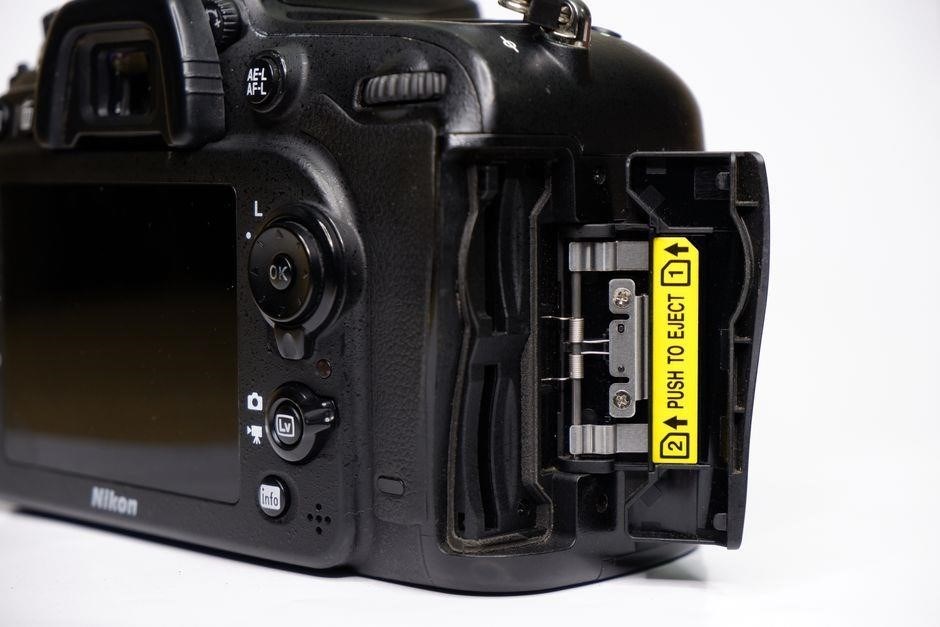
Welcome to the Nikon D7100 Quick Start Guide․ This section provides a concise‚ step‑by‑step introduction that enables you to power on the camera‚ insert the battery and memory card‚ attach a lens‚ and capture your first image within minutes․ The guide is organized into clear stages: initial setup‚ basic controls‚ and first shot․ In the initial setup‚ you will learn how to turn the camera on‚ select your preferred language‚ and set the date and time․ The battery compartment is located on the left side of the body; insert a fully charged EN-EL15 battery and close the latch․ The SD card slot is on the right; slide in a Class 10 or UHS‑I card‚ ensuring the gold contacts align with the card’s edge․ Once the camera powers up‚ the LCD screen will display a welcome message and a quick‑start prompt․ Follow the on‑screen instructions to configure the ISO range‚ white‑balance mode‚ and image quality․ The camera defaults to Auto ISO‚ which automatically adjusts sensitivity based on lighting conditions‚ but you can also set a fixed ISO for creative control․ After configuration‚ the camera will prompt you to attach a lens․ Mount a compatible Nikon F‑mount lens by aligning the lens mount with the camera body‚ turning the lens clockwise until it clicks‚ and confirming the lock․ The viewfinder will now display the scene‚ and the LCD will show the exposure settings․ The camera will flash the shutter release and record the image․ This quick start overview equips you with the essential steps to begin shooting immediately‚ ensuring you are ready to explore the full capabilities of the Nikon D7100 — ready now!!
Camera Body Features and Controls
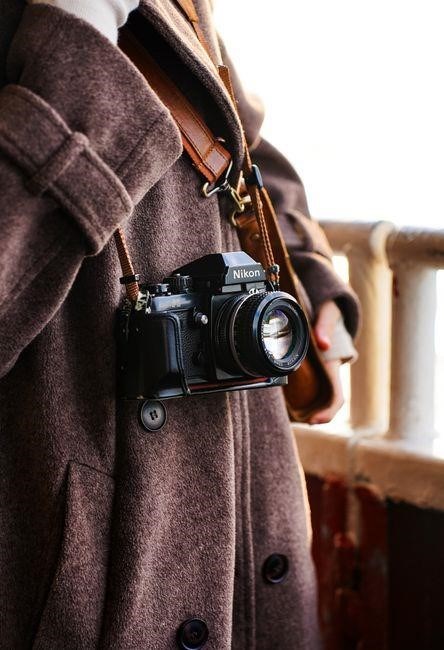
The Nikon D7100 body features a weather‑sealed magnesium alloy chassis‚ ergonomic grip‚ and a multi‑function dial system․ It offers dedicated shutter button‚ customizable command dials‚ and a bright viewfinder․ The rear LCD and menu provide intuitive control for all shooting modes․Allsettingsfast․!!!!
Physical Layout and Button Functions
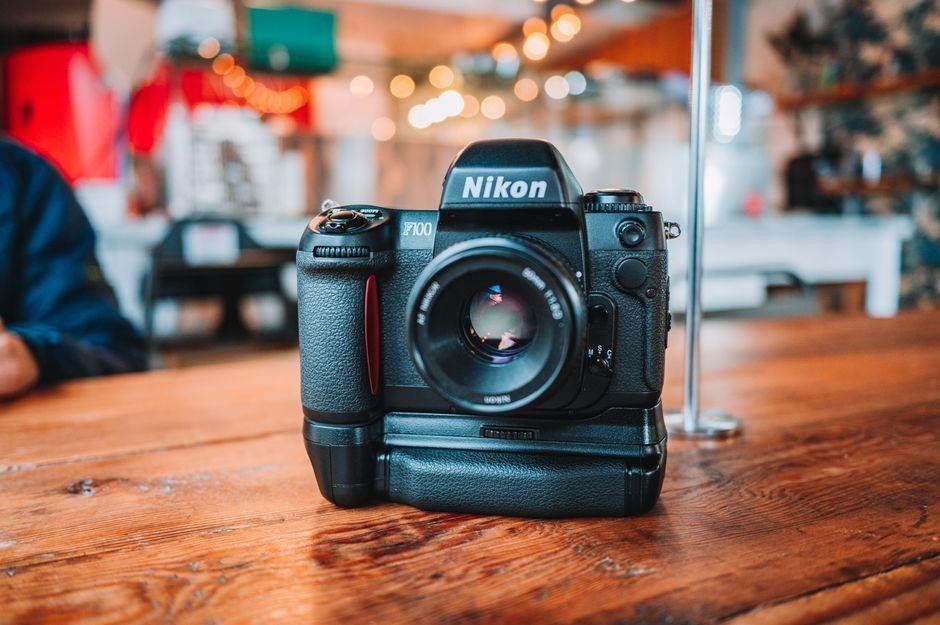
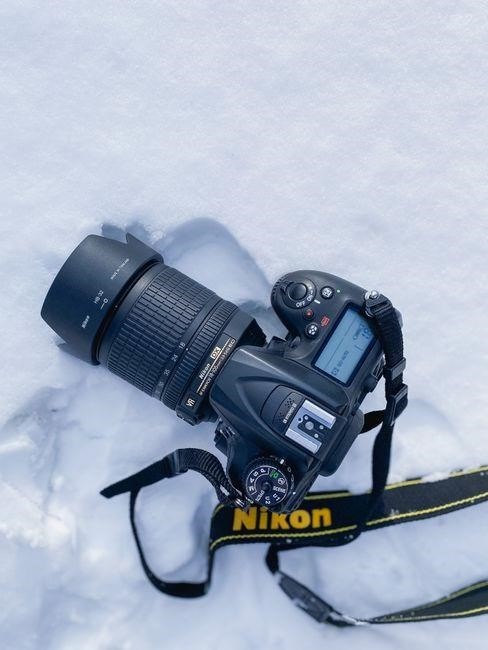
The Nikon D7100’s body is organized for quick access and ergonomic handling․ At the top‚ the multi‑function dial and shutter button allow rapid mode changes and exposure adjustments․ The rear of the camera hosts a 3‑way command dial‚ a dedicated AF‑ON button‚ and a customizable command dials for user‑defined functions․ The main body includes a power switch‚ a menu button‚ and a back‑lit command dials for menu navigation․ The top plate features a removable battery cover‚ a lens release button‚ and a flash hot‑shoe․ The back panel contains a multi‑function dial for exposure compensation‚ a dedicated AF‑ON button‚ a custom command dial‚ and a menu button․ The camera’s viewfinder is bright and covers 100% of the frame‚ while the rear LCD is 3‑inch‚ 921k‑pixel‚ and can be tilted for low‑angle shooting․ The D7100 also includes a built‑in 3‑point LED flash‚ a multi‑function dial for exposure compensation‚ and a dedicated “i” button for quick access to image settings․ The camera’s layout emphasizes a balanced weight distribution‚ making it comfortable for extended shooting sessions․ The body’s buttons are labeled with clear icons and are responsive to both light and heavy presses‚ ensuring reliable operation in various shooting conditions․ The D7100’s layout supports both beginner and advanced users‚ with intuitive placement of essential controls and customizable options for power users․ Its layout also allows rapid toggling of settings‚ ideal for both studio and on‑the‑go use daily․
LCD Display and Viewfinder Operation
The Nikon D7100 offers a 3‑inch‚ 921‑k pixel rear LCD that can be tilted 90° for low‑angle or high‑angle shooting․ The display shows real‑time exposure data‚ focus confirmation‚ and histogram overlays․ A touch‑screen overlay allows quick menu navigation‚ but the primary controls remain physical for reliability․ The optical viewfinder provides a 0․8× magnification and 100% coverage‚ ensuring that the captured image matches the view․ The viewfinder’s brightness can be adjusted via the menu‚ and a built‑in 3‑point LED flash can be triggered from the viewfinder for quick flash photography․ The camera’s dual‑mode display can switch between live view and viewfinder mode with a dedicated button‚ allowing photographers to choose the best shooting method for each situation․ The live view mode supports focus peaking and magnification‚ making precise focus easier on complex subjects․ The D7100’s LCD also displays battery life‚ memory card status‚ and shooting statistics‚ providing essential information at a glance․ The camera’s menu system is organized to let users customize the LCD layout‚ including the display of exposure compensation‚ white balance‚ and focus mode․ The viewfinder and LCD work together to provide a seamless shooting experience‚ whether shooting in bright daylight or low‑light conditions․ With its integrated 3‑point LED flash‚ dual‑mode live view‚ and customizable menu‚ the D7100 empowers photographers to adapt instantly to changing light‚ ensuring crisp‚ well‑exposed images whether on a studio set or in the field!!!!․
Lens System and Accessories
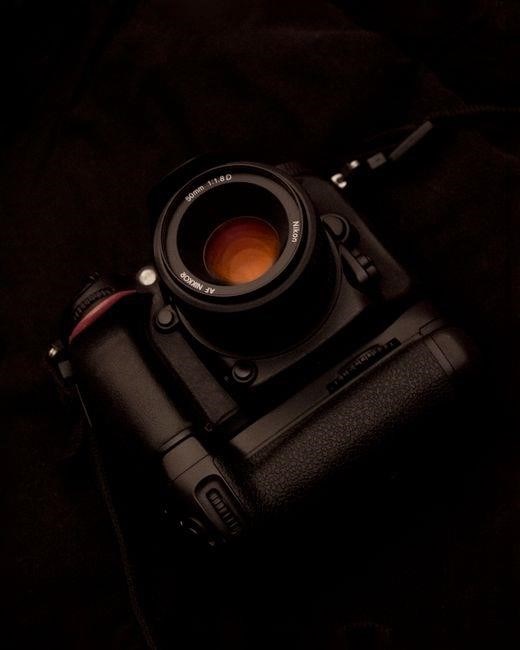
The Nikon D7100 supports the full range of F‑mount lenses‚ from wide‑angle to telephoto‚ and offers optional accessories such as external flashes‚ battery grips‚ and lens hoods․ These components enhance versatility‚ improve image quality‚ and extend shooting flexibility․ Ideal for beginners‚ pros‚ all!
Compatible Nikon F-Mount Lenses
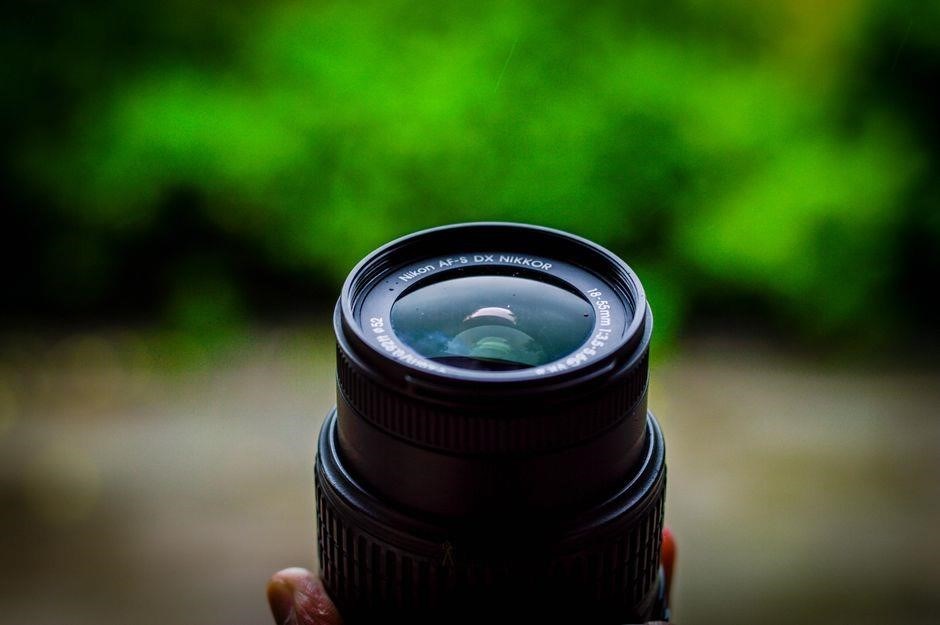
The Nikon D7100 is designed to work with the full range of Nikon F‑mount lenses‚ offering photographers extensive flexibility․ Whether you need a wide‑angle prime for sweeping landscapes‚ a telephoto zoom for wildlife‚ or a macro lens for detailed close‑ups‚ the D7100’s autofocus system and image‑processing engine handle each with precision․ Nikon’s F‑mount has a long history‚ and the D7100 is fully compatible with both legacy lenses (such as the classic 50 mm f/1․8 S and the 70‑200 mm f/4 G) and modern lenses featuring Nikon’s EXPEED image processing․ The camera also supports lenses with built‑in image stabilization‚ allowing you to shoot sharp images even at slower shutter speeds․ In addition‚ the D7100’s 24‑megapixel sensor benefits from the high‑resolution optics of Nikon’s newer DX‑format lenses‚ providing excellent detail and dynamic range․ For photographers who want to expand their kit‚ the D7100 can be paired with Nikon’s interchangeable lens mount adapters‚ enabling the use of third‑party lenses that meet the F‑mount standard․ This compatibility ensures that the D7100 remains a versatile tool for both amateur and professional shooters‚ capable of adapting to a wide variety of shooting scenarios without compromising performance․
Moreover‚ the D7100’s autofocus performance is optimized for Nikon’s newer AF‑S and AF‑D lenses‚ delivering fast‚ accurate focus across a wide range of shooting conditions․!!!
Enjoy the D7100’s lens versatility and capture confidently!!
Optional Accessories for Enhanced Performance
Enhance your Nikon D7100 experience with a curated selection of accessories that expand creative possibilities and improve workflow․ A high‑quality external flash (e․g․‚ Nikon SB‑900) delivers powerful‚ balanced light for studio or on‑location shoots‚ while a dedicated speed‑lite controller lets you trigger multiple units wirelessly․ A sturdy tripod or monopod‚ such as the Manfrotto MT190XPRO‚ stabilizes the camera for long exposures‚ low‑light scenes‚ or time‑lapse sequences‚ and a quick‑release plate simplifies mounting and dismounting․ For precise focus‚ a remote shutter release or wireless trigger eliminates camera shake‚ especially in macro or telephoto work․ A weather‑sealed lens hood reduces flare and protects the front element from dust and rain․ A high‑capacity‚ fast SD card (UHS‑II) ensures smooth burst shooting and ample storage for RAW files․ A reliable external battery pack or spare batteries (e․g․‚ Nikon EN‑D8) keeps the camera powered during extended sessions․ A protective camera bag with padded compartments keeps gear safe during travel․ Finally‚ a lens cleaning kit and microfiber cloth maintain optical clarity‚ preventing dust and smudges from degrading image quality․ They integrate seamlessly with the D7100’s menu‚ offering access to settings and monitoring․
Add a dedicated external mic (e․g․‚ Rode VideoMic) for crisp audio‚ and a neutral‑density filter set to slow shutter speeds in bright light․ A portable external hard drive (e․g․‚ Seagate Backup Plus) offers on‑the‑go backup‚ while a lens adapter (e․g․‚ Metabones Speed Booster) expands focal‑length range for APS‑C lenses․
These tools enhance every shot with confidence!
These accessories enhance shooting flexibility and streamline workflow now․
Shooting Modes and Customization
The Nikon D7100 offers versatile shooting modes: Auto‚ Aperture Priority‚ Shutter Priority‚ Manual‚ and Creative Auto․ Custom settings let you assign functions to the command dials and buttons‚ enabling quick access to ISO‚ white balance‚ and focus modes for any scenario․ for dynamic scenes today now!!
Auto‚ Aperture Priority‚ and Manual Modes
In Auto mode‚ the D7100 automatically selects shutter speed‚ aperture‚ ISO‚ and white balance‚ making it ideal for quick snapshots․ Aperture Priority (A) lets you choose the f‑stop while the camera determines shutter speed‚ perfect for controlling depth of field․ Shutter Priority (S) fixes the shutter speed‚ with the camera adjusting aperture for exposure․ Manual (M) mode gives full control over shutter‚ aperture‚ ISO‚ and white balance‚ allowing creative expression in challenging lighting․ The camera’s exposure compensation dial and histogram display help fine‑tune exposure in all modes․ Each mode offers a dedicated menu for quick adjustments‚ and the Custom Settings feature allows you to assign the most used functions to the command dials for instant access․ Whether you’re shooting portraits‚ landscapes‚ or action‚ the D7100’s versatile modes provide the flexibility to adapt to any situation․ The Auto mode’s scene detection can switch between portrait‚ landscape‚ sports‚ and night scenes automatically․ Aperture Priority mode includes a built‑in depth‑of‑field preview that displays the focus ring’s effect on the image․ Shutter Priority mode offers a “high‑speed” setting that locks the shutter at 1/4000 s for fast action․ Manual mode’s exposure lock button lets you freeze a particular exposure setting while changing focus or composition․ The camera also supports a “custom” mode where you can lock ISO‚ white balance‚ and metering mode‚ then adjust only shutter or aperture․ In all modes‚ the D7100’s 3‑point metering system ensures accurate exposure across a wide range of lighting conditions․ The user can also enable “auto‑exposure lock” to maintain consistent exposure when moving the camera․ The camera’s built‑in Wi‑Fi and Bluetooth enable wireless image transfer‚ and 1080p video recording adds versatility․ Customizable controls let photographers tailor the camera to their workflow for creative expression․
The D7100’s ergonomic design and build quality ensure reliable operation in demanding environments․ Its 51‑point autofocus delivers precise focus‚ while the ISO range of 100–25‚600 offers low‑light flexibility․ Built‑in Wi‑Fi and Bluetooth enable wireless image transfer‚ and 1080p video recording adds versatility․ Customizable controls let photographers tailor the camera to their workflow for creative expression;

The D7100’s 3‑point metering system evaluates exposure across the frame‚ ensuring balanced highlights and shadows․ Its built‑in flash provides 10‑meter range for close‑up lighting‚ while the rear‑view LCD offers 3‑line focus assist․ The camera’s 2․5‑inch TFT display supports 1‚200‚000‑dot resolution for sharp preview․ Users can also enable the “auto‑exposure lock” to maintain consistent exposure when moving the camera․ The D7100’s fast buffer and high‑speed continuous shooting make it suitable for sports and wildlife photography․ Firmware updates can enhance autofocus speed and add new features such as improved face detection․ The camera’s durable magnesium alloy body withstands harsh conditions‚ and the weather‑sealed design protects against dust and moisture․ With its comprehensive feature set‚ the Nikon D7100 remains a reliable choice for both amateur and professional photographers․ Its 4 engine delivers images ISO noise
Custom Settings and Button Assignments
The Nikon D7100 offers a flexible Custom Settings menu that lets you tailor the camera’s behavior to your shooting style․ Press the Menu button to assign functions to the command dials‚ the i button‚ the +/- buttons‚ and the Q button․ The command dials can be set to control exposure compensation‚ ISO‚ white balance‚ or focus mode․ quickly․!! The i button can be configured to toggle the viewfinder display‚ the +/- buttons to switch between shooting modes or to adjust the exposure meter‚ and the Q button to bring up the Quick Menu for on‑the‑fly changes․ The Custom Settings menu also includes options to lock the shutter speed‚ aperture‚ orISO for a fixed exposure‚ and to enable ordisable the auto‑exposure lock feature․ Additionally‚ you can assign the i button to display the histogram‚ the +/- buttons to change the focus point‚ or the Q button to access the Custom Menu․ Quick adjust now!!!! Quick now!! These assignments help reduce the time needed to make critical adjustments during fast shooting situations․ The camera’s firmware allows you to reset all custom settings to factory defaults or to save a set of custom settings as a preset that can be recalled with a single button press․ By mastering these customizations‚ you can streamline your workflow and ensure that the most important controls are always within reach․

Maintenance‚ Troubleshooting‚ and Firmware Updates
Keep the D7100 clean by wiping the sensor with a microfiber cloth‚ storing it in a case‚ and checking battery contacts․ If the camera freezes‚ reset settings or update firmware via Nikon’s website to resolve glitches and improve performance․!
Cleaning and Storage Procedures
Before you begin‚ ensure the camera is powered off and the battery is removed․ Use a blower or a soft brush to remove loose dust from the sensor and lens․ For sensor cleaning‚ a dedicated sensor‑cleaning kit or a microfiber cloth with a small amount of sensor‑cleaning fluid is recommended․ Gently wipe the sensor in a straight‑line motion from the center outward‚ avoiding circular patterns that can leave streaks․ After cleaning‚ allow the sensor to dry completely before re‑inserting the battery․ The lens should be cleaned with a lens‑cleaning solution and a microfiber cloth; never apply liquid directly to the glass․ For the LCD and viewfinder‚ use a dry‚ soft cloth or a lens‑cleaning tissue‚ and avoid abrasive materials․ When storing the camera‚ keep it in a cool‚ dry place‚ ideally in a camera bag with anti‑static lining․ Avoid exposing the camera to extreme temperatures‚ humidity‚ or direct sunlight․ If you plan to store the camera for an extended period‚ consider using a desiccant packet inside the bag to control moisture․ Periodically check the battery contacts and clean them with a dry cotton swab if necessary․ Following these steps will help maintain the D7100’s performance and extend its lifespan․ Additionally‚ inspect the camera’s rubber gaskets for cracks and replace them if necessary․ When swapping lenses‚ wipe the mount with a cloth․ Store the memory card in a pouch․ Keep the camera in a sealed bag when traveling to prevent dust ingress․ Keep firmware updated!! Remember to back up images regularly to avoid data loss․ Finally‚ always check the camera’s shutter speed and ISO settings before shooting to ensure optimal exposure․ Use the built‑in histogram to fine‑tune settings on the fly and adjust white balance and daily․
Common Issues and Firmware Upgrade Steps
When the Nikon D7100 exhibits unexpected behavior—such as a blank screen‚ erratic autofocus‚ or a shutter‑speed limitation—first verify that the firmware is current․ The official Nikon website lists the latest firmware for the D7100; download the ZIP file and extract the ․bin file․ Insert a Class 10 SD card‚ format it in the camera‚ and copy the ․bin file to the root directory․ Power the camera off‚ then hold the Menu button while turning the power switch on to enter the firmware update mode․ Follow the on‑screen prompts to install the new firmware; the camera will reboot automatically․ If autofocus fails‚ clean the lens mount and sensor‚ then reset the camera’s custom settings․ A black screen may indicate a loose battery connection or a corrupted memory card—remove the card‚ reinsert the battery‚ and test with a fresh card․ For shutter‑speed errors‚ check the shutter‑speed limit setting in the custom menu; reset to default if necessary․ Persistent problems after firmware update should be reported to Nikon support‚ as they may indicate a hardware fault․ Always back up images before performing updates‚ and avoid interrupting the power supply during the update process to prevent corruption․ Regular firmware updates also improve image processing‚ autofocus accuracy‚ and compatibility with newer lenses․ If the camera still does not respond after a firmware update‚ try a factory reset by selecting the ‘Reset’ option in the Custom Settings menu․ Additionally‚ ensure that the SD card is formatted in the camera rather than on a co